

Breaking the high-risk treatment taboo! Uni-Asia Cancer Hospital Chengdu completes the first Vina Knife liver cancer treatment under local anesthesia in Southwest China
On July 23, Professor Liao Zhengyin’s team at Uni-Asia Cancer Hospital Chengdu successfully performed the first liver cancer treatment using the Vina Knife under local anesthesia in Southwest China. The procedure overcame a series of complex clinical challenges, opening up a completely new treatment option for high-risk liver cancer patients with Child-Pugh C liver function and tumors located in the caudate lobe. This achievement not only demonstrates the leading capability of Uni-Asia Cancer Hospital Chengdu in advanced minimally invasive cancer treatment, but also marks a new era for minimally invasive treatment of complex, difficult-to-treat liver cancer cases in Southwest China: the era of electroporation tumor ablation under local anesthesia. More importantly, it also means that patients with end-stage liver cancer once deemed “inoperable” now have a more precise and safer treatment option.
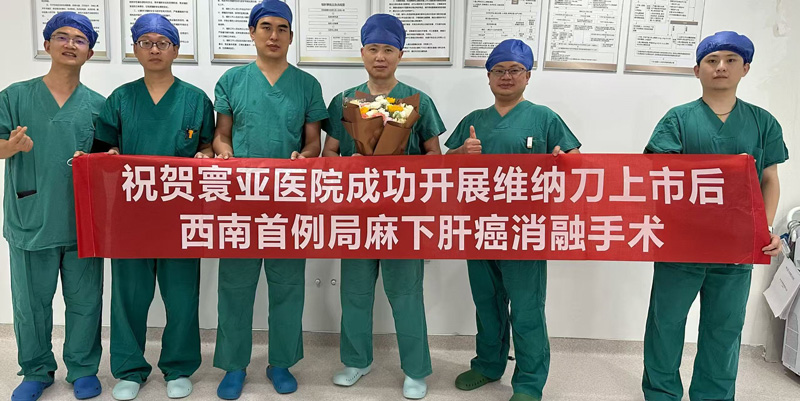
Layer upon layer of danger, an “impossible mission”
The patient’s condition in this operation could be regarded as an extreme challenge in liver cancer treatment. The lesion was located in the caudate lobe of the liver, an anatomically highly complex location. The caudate lobe lies deep in the posterior central region of the liver, adjacent to the inferior vena cava, duodenum, and colon, with vital blood vessels and hollow viscera densely concentrated around it. For this reason, the hepatobiliary field has long regarded this area as a “high-risk no-go zone” for ablation procedures.
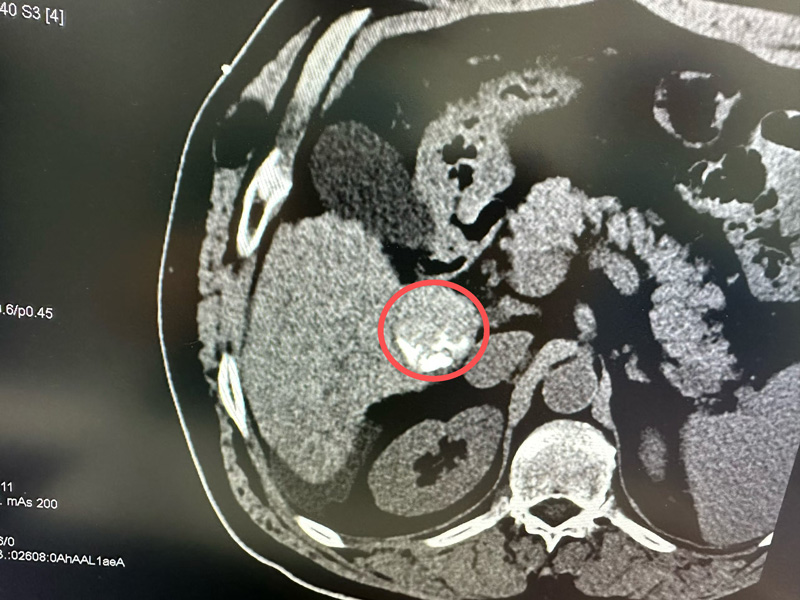
△ Preoperative CT images of the patient
In addition, the patient’s liver function was assessed as Child-Pugh C, indicating severely impaired hepatic reserve. Traditional open surgery is highly invasive and carries extremely high anesthesia risk. Thermal ablation methods such as radiofrequency (RF) and microwave ablation can easily produce heat-sink effects, making it very likely to injure the intestine and major blood vessels, leading to life-threatening complications such as severe bleeding and bowel perforation. By contrast, conventional electroporation ablation techniques usually require general anesthesia and muscle relaxants. The burden of anesthesia would further damage liver function. Therefore, all mainstream treatment methods were difficult to perform, leaving the patient with no effective local treatment option.
It was precisely the non-thermal and selective characteristics of the Vina Knife that made this “impossible mission” possible: the high-voltage pulsed electric field precisely acts on tumor cells while minimizing damage to adjacent normal structures such as the duodenum, inferior vena cava, and colon.
The first case in Southwest China breaks new ground in the treatment of high-risk advanced liver cancer
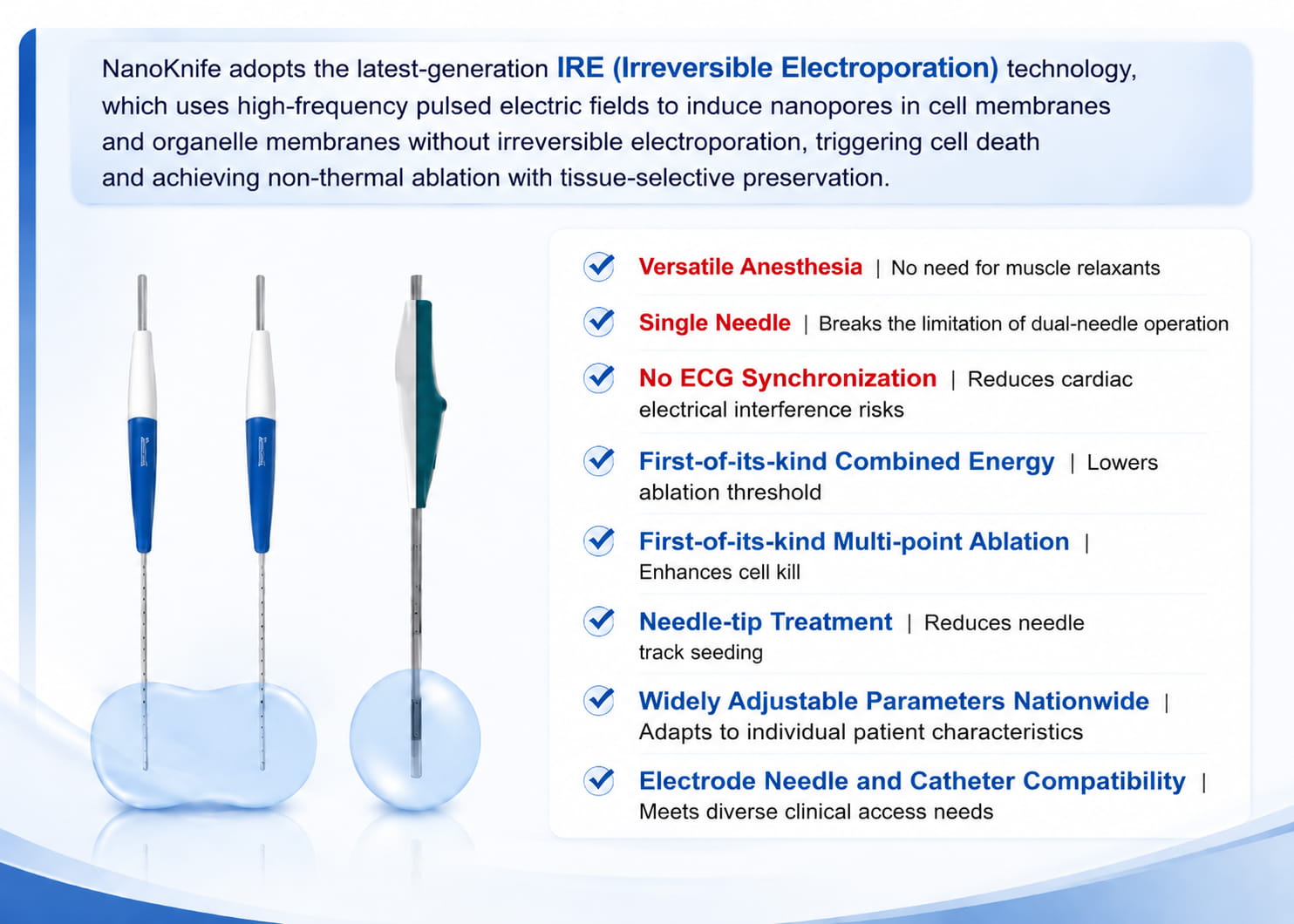
As a new-generation broad-spectrum synergistic irreversible electroporation (IRE) tumor ablation device, the Vina Knife uses a high-voltage pulsed electric field to disrupt the tumor cell membrane, thereby inducing apoptosis in cancer cells. This technology can precisely inactivate the tumor while protecting important healthy tissue structures such as blood vessels and the intestinal wall. Compared with traditional electroporation ablation methods, the Vina Knife represents a significant advancement: general anesthesia is not required, muscle relaxants are not required, and the procedure can be performed under local anesthesia alone. As a result, the burden of anesthetic drugs on liver function in patients with severe cirrhosis is minimized to the greatest extent.
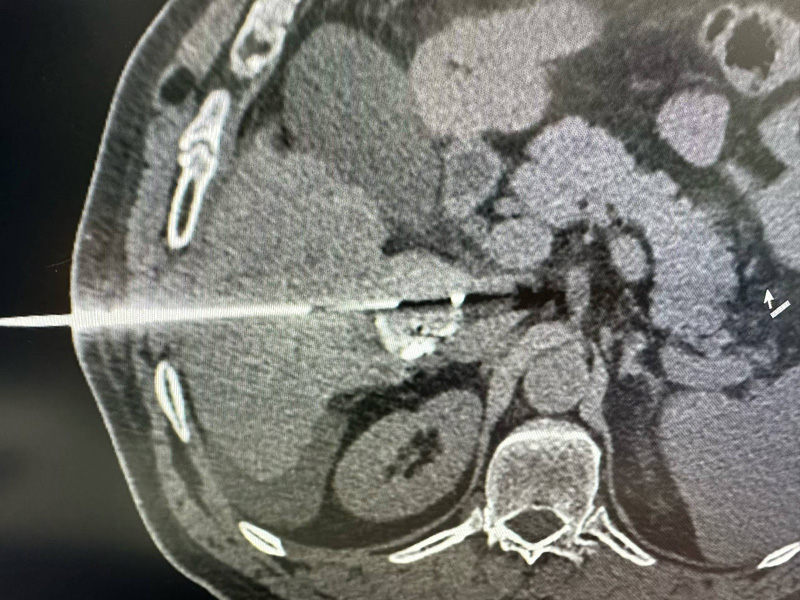
△ Needle placement during surgery
Throughout the procedure, the patient remained fully awake and experienced no obvious pain or discomfort. Professor Liao Zhengyin personally performed the operation. Based on more than 30 years of accumulated experience in puncture of complex lesions, he precisely planned the needle path, skillfully avoided the intestines and major blood vessels, and delivered the ablation electrode exactly to the target area of the caudate lobe tumor to complete the electroporation ablation.
Immediate postoperative imaging assessment showed complete tumor ablation, ideal margins, and excellent ablation efficacy; no complications such as vascular injury or gastrointestinal tract injury were observed.
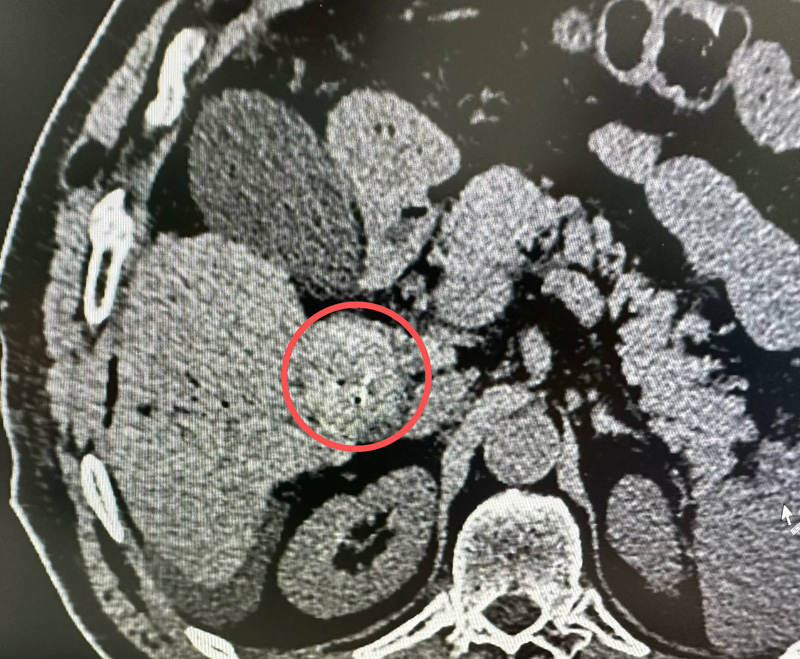
△ Postoperative CT images of the patient
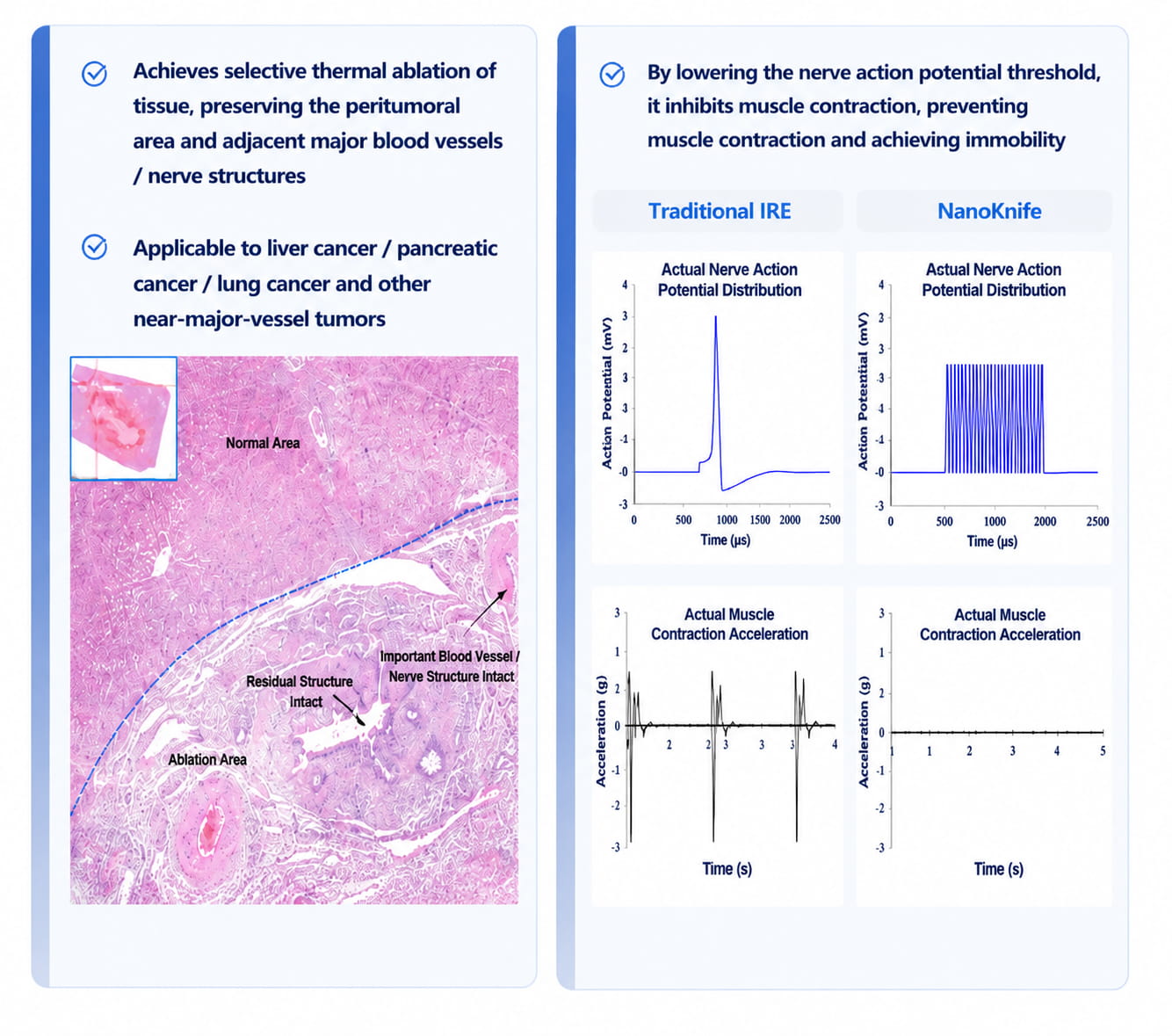
The success of this procedure has important clinical model value:
1. It verifies the clinical value of the Vina Knife in highly constrained cases: for patients with Child-Pugh C liver function combined with a caudate lobe tumor, most treatment options were previously nearly unsuitable. The Vina Knife may open a new door of hope for these patients who once seemed to have “no way forward.”
2. This technique marks an upgrade from “tumor ablation under general anesthesia” to “minimally invasive tumor ablation under local anesthesia,” significantly lowering the treatment threshold for patients with high-risk cirrhosis, elderly patients, or those with multiple comorbidities. With less invasiveness and a lower organ burden, this technique brings additional treatment opportunities for patients with end-stage cirrhosis complicated by liver cancer.
3. Previously, the world’s first liver cancer treatment using the Vina Knife under local anesthesia was successfully performed in 2023 at Beijing Chang Gung Hospital. Today, Uni-Asia Cancer Hospital Chengdu has successfully introduced this advanced technology into clinical practice in Southwest China, further affirming the hospital’s leading position in the field of tumor ablation at the national level.
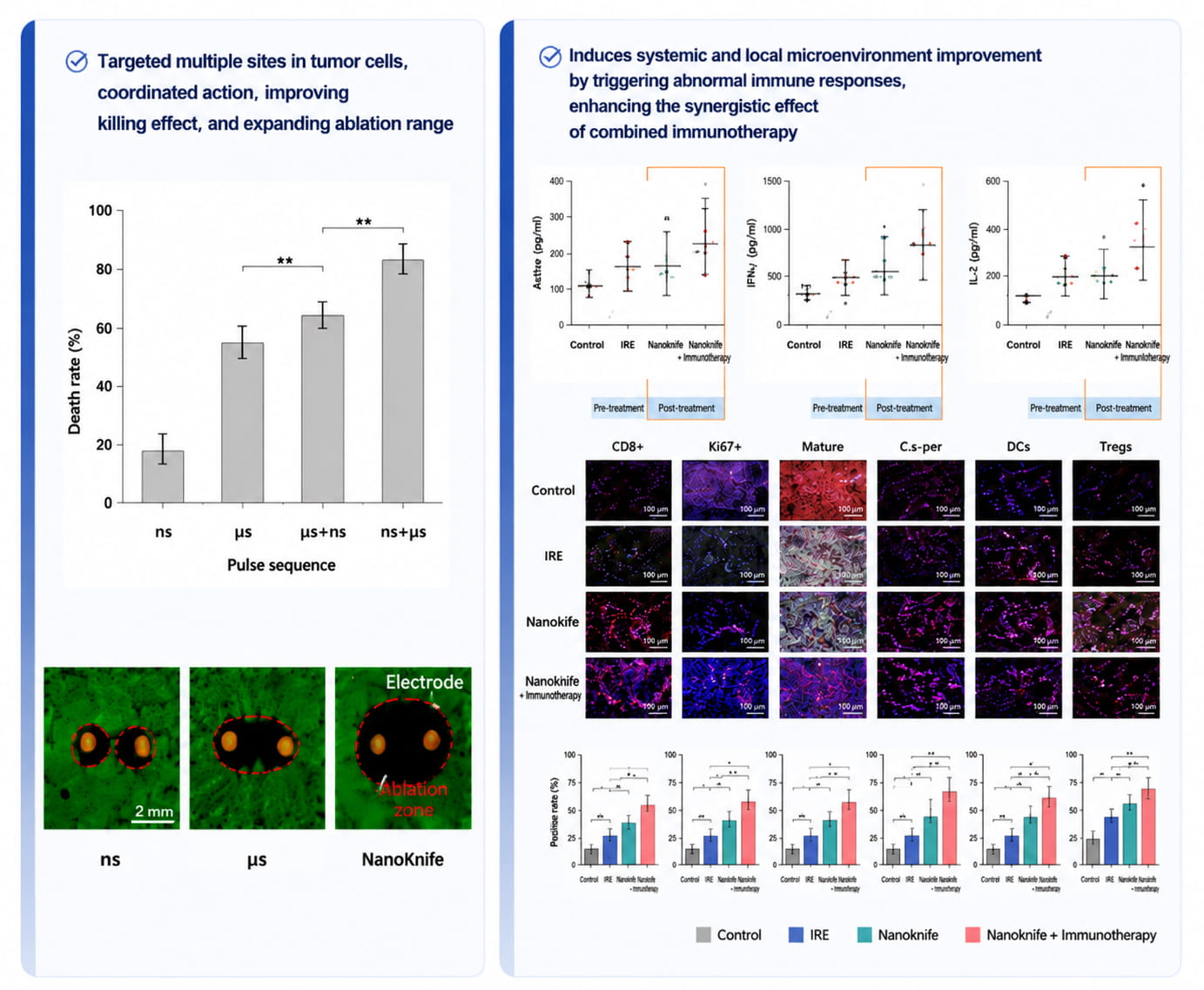
A solid foundation of expertise builds a leading minimally invasive cancer diagnosis and treatment center in Southwest China
The success of this first highly difficult surgery was no accident. It was not only a rigorous test of the overall capability of Uni-Asia Cancer Hospital Chengdu, but also a concentrated reflection of the hospital’s long-term development strategy of “using cutting-edge technology as the driving force for specialty development.”
The hospital has established a core expert advisory committee composed of leading Chinese experts such as Professor Liao Zhengyin, a top authority in MDT for difficult and complex cancer cases; Professor Zhang Jinshan, a pioneer of interventional medicine in China; and Professor Xiao Yueyong, who helped establish the diagnostic and treatment standards for tumor ablation in China. Relying on this top-tier expert team, the hospital has proficiently implemented a variety of minimally invasive cancer treatment techniques such as NanoKnife, Vina Knife, Argon-Helium knife cryoablation, Iodine-125 radioactive seed implantation, and TACE, focusing on lesions once considered “no-go zones” for traditional treatment, such as caudate lobe tumors, hilar tumors, and pancreatic cancer.

Built on a solid professional foundation and a spirit of taking on challenges, Uni-Asia Cancer Hospital Chengdu has taken the lead in bringing this flagship technology to Southwest China. For many patients once considered to have “no treatment opportunity left,” this technique not only offers an additional option, but also brings truly precious hope.
In the future, Uni-Asia Cancer Hospital Chengdu will continue to promote the clinical translation and standardized application of advanced tumor ablation technologies. Leveraging the advantages of its top expert team, the hospital will keep overcoming challenges in cancer treatment, providing precise, minimally invasive, and safe individualized diagnosis and treatment options to help patients with mid- and advanced-stage cancer prolong survival, improve quality of life, and contribute to the sustainable development of cancer prevention and treatment in Southwest China.